Showing posts with label reptiles. Show all posts

Friday, September 25, 2009

Asleep On A Pepper

liz-pepper

I was checking the mobile vegetable garden tonight and layed eyes on this little brown anole sleeping atop one of the Green Bell Peppers! She looked quite comfortable and the sight gave me a calm and comforting feeling!

Be of good cheer whoever you are. It is quite possible there are lizards sleeping just outside.

Saturday, July 26, 2008

Alligator Snapper

Alligator Snapping Turtle

Alligator Snapping Turtle

My brother caught this vicious little fellow and I brought it home for a photo shoot. Alligator snapping Turtles can live a century and grow to an usually large size.

Tuesday, October 9, 2007

Snake In A Church


Thursday, December 21, 2006

Upper Tampa Bay Park with Friends

Grey Snapper

Turtle relaxing

Turtle relaxing

brown crab

Fiddler crab

Minnow

Brother and sister.

Cracked algea

Cracked algea

Saltwort

Green Tree Frog

Green Tree Frog

Green Tree Frog

Green Tree Frog
See where these were taken Here!

Monday, September 18, 2006

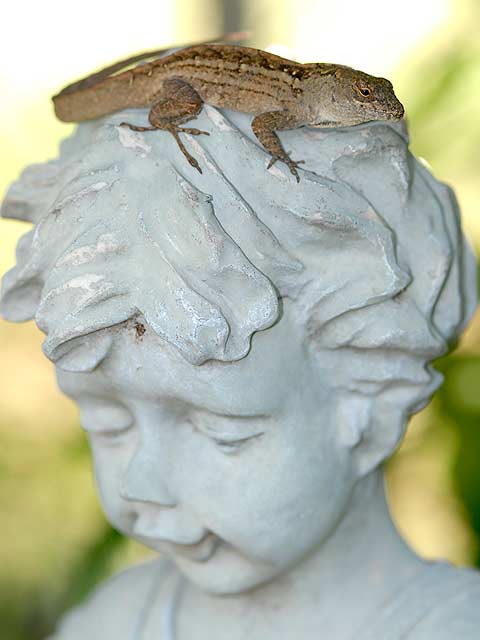
Lizard on His Head

Friday, May 12, 2006

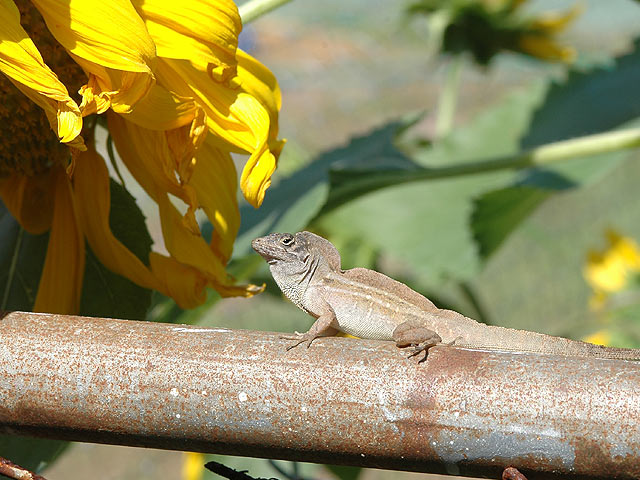
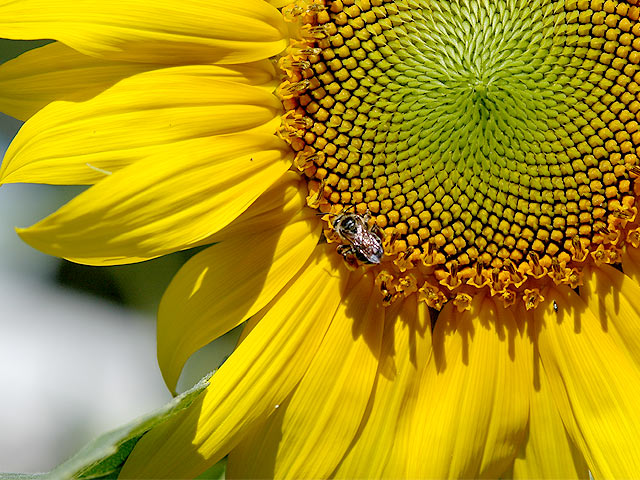
Tiny Dino + Sunflower


Sunday, April 23, 2006

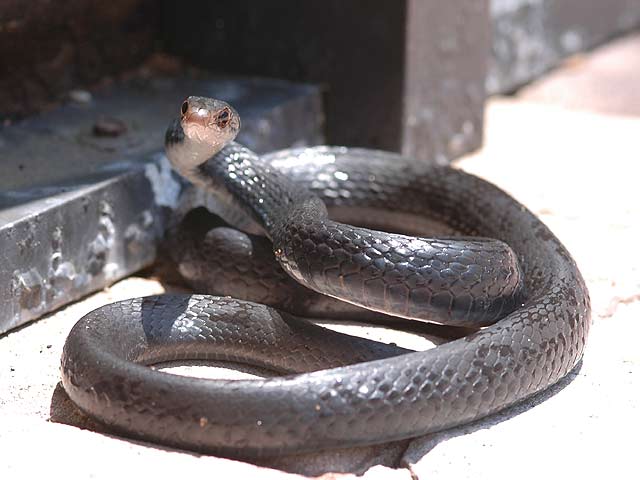
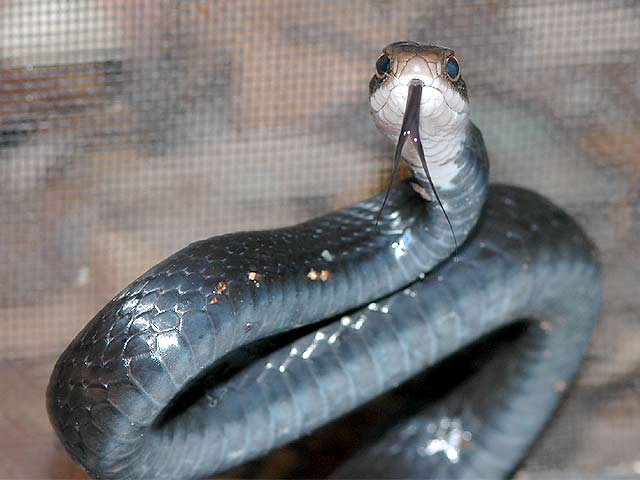
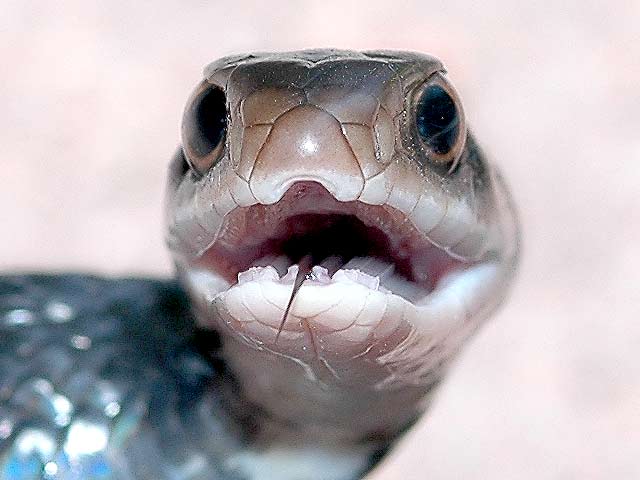
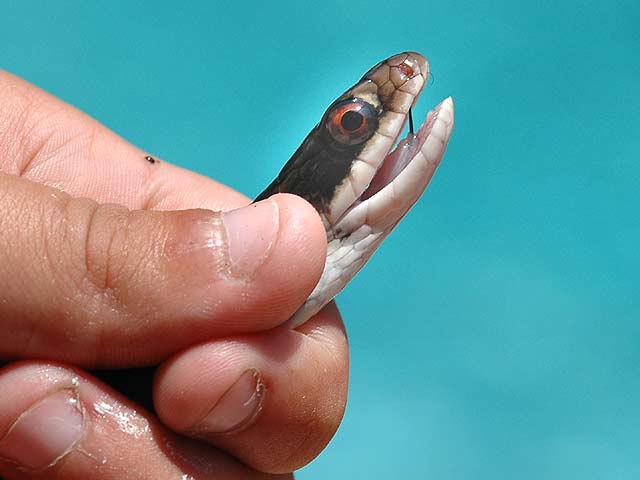
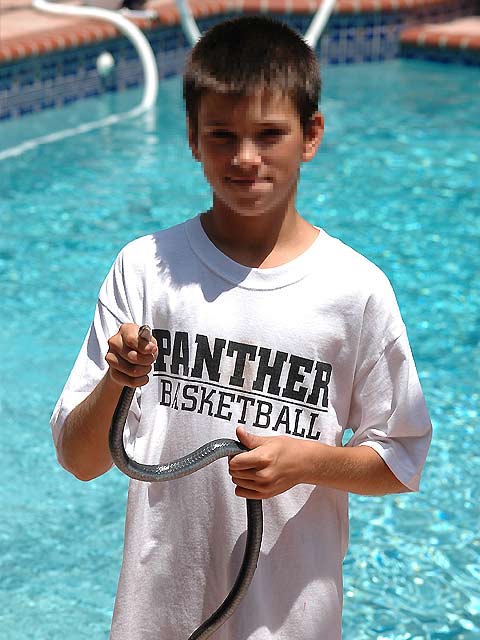
Black Snakes By The Pool


Thursday, December 29, 2005

Snakes In The Wood Pile


Digging around the wood pile to suppy the fire place with combustables I came across this Ring Neck Snake.


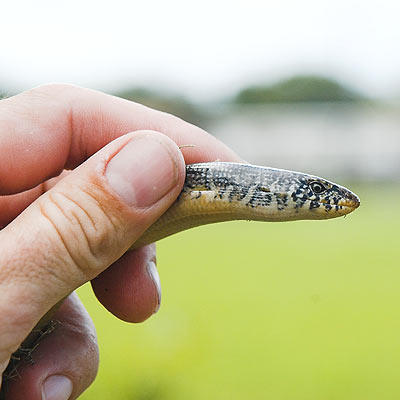
Not a minute later I uncovered this glass snake!


I like snakes.

Monday, December 19, 2005

Green Anole


This little fellow or gal was roaming around a shrub yesterday. He or she was so confident that his or her brilliant green skin was so convincing that there was no need to move any further from the huge creature with the flashing light. Good for me I captured some great images!


What a smug little dinosaur and what an amazing little suit of armor!

Green Anoles

Identification
Like all lizards, anoles are equipped with moveable eyelids and external ear holes. Adults molt about every month, casting off skin in bits and pieces. Their feet differ from most lizards in that each toe has adhesive pads (lamellae) on its central portion, enabling the anole to climb and cling to vertical surfaces such as walls, fence posts, trees and leaves, on which they spend much of their time. Green and Cuban Brown anoles are generally about 5 to 8 inches long. Females are usually smaller and can be under 5 inches long. The long, slender tail of the anole (which makes up about half of its length) may break off at the slightest pressure and continue to wiggle on the ground, distracting would-be predators. But, no fear, the lizard's tail grows back over several weeks to once again serve as a quick get-a-way aid.Another striking feature of the anole is its dew lap, or throat fan. It is attached to the throat and displayed by means of a flexible rod of cartilage which can be swung downward and forward, thereby revealing a brightly colored patch of skin. Males display their dew lap during courtship and when defending territory. This display is often accompanied by a series of head-bobs and push-ups.Anoles are sometimes called chameleons. This is undoubtedly due to the green anole’s ability to change its skin color, much like its Old World cousin, the true chameleon. While the green anole isn’t able to change colors as noticeably or rapidly as the chameleon, it is able to alter its color from green to gray to brown, depending on light, temperature and mood. The Cuban Brown Anole, on the other hand, is always some shade of brown.


Food Habits
Anoles eat small insects and bugs. They stalk them in shrubs, in vines, on walls and even window screens. It is not unusual to see them gobbling-up wood roaches or other bugs and insects that have been disturbed when we work in the garden. It is amazing to see these little lizards grabbing and swallowing prey almost as big as they are. Anoles only eat live prey as the prey must move to be detected by the lizard.


Reproduction
Green anoles breed anywhere from late March to early October. Females can lay single eggs every two weeks. These eggs, which look like smaller, leathery versions of a chicken egg (1/4-3/8") are buried in the soil and are often found while digging in the garden. If disturbed, please cover them back-up lightly with garden soil. The eggs hatch after anywhere from 5-7 weeks.


Predators
Cats, children, snakes and birds are the biggest threats in the life of an anole. While you may be tempted, taking them as pets is not recommended. Please leave them to their lives as one of Florida's Natural Pest Control Technicians. They do much better outside in the "wild" than they would do caged in the house. By the way, if one of these little guys finds his or her way into your house, cornering them and gently capturing them in your hands to release them outside is highly recommended. They can live in the house for a short time, but will probably not find enough food, moisture or warmth to live very happily. The next time you see the little lizard it may be as a dried-up little skeleton next to the window. Also, when you do capture them, they will attempt two defensive moves, first they will open their little mouths to bite you, don't fear, if they do bite you you will hardly notice it, their teeth are too tiny to do any damage. In fact, when we were kids growing up in Florida we used to capture these little guys and latch them onto our earlobes as living-lizard-earrings. The anole's second defensive move will be to poop in your hand when captured. Don't worry, the poop is pretty tiny too, nothing too terribly disgusting, but be sure to wash your hands with soap and water after contact with these lizards (or any reptile for that matter) as they may possibly harbor salmonella.

Below are a few links to sites describing Anoles!
Link1 link2 link3

Saturday, October 8, 2005

Black Snake & Ten 4 Ten


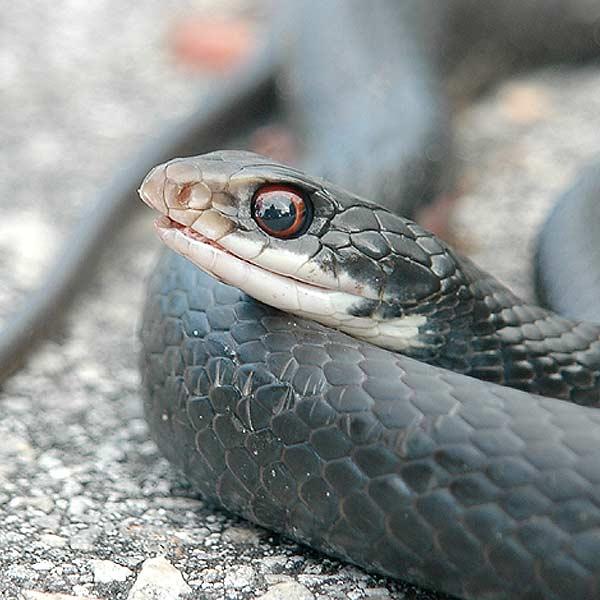
Black Racer on the street.


Albertson's Ten for Ten dollars deal! Gonna eat some ice cream while watching the Brit Coms!

Tuesday, July 26, 2005

Night Watch

I decided to snoop around in the backyard last night. With flash light and camera in hand I moved from plant ot plant looking for cratures. This lizard was the first one I found. At night lizards seem to seek a high place to sleep and this little fellow was atop an orchid. Here is a previous post of a similar image.

To my suprise there were plenty of little creatures to capture. These guys were using the same leaf but for entirely different purposes. Mommy why are the grass hoppers stuck together?

I have mixed emotions about grass hoppers. They are colorful but kinda creepy and the chew the plants around here to death.

I do enjoy having Cuban Tree Frogs around. Their smiling little mugs hopping about the place makes the yard a friendly place.

Saturday, July 16, 2005

Glass Snake

Caught this little beauty in the backyard about an hour ago!

It was a large specimen as glass snakes go! Here is what they actually are.

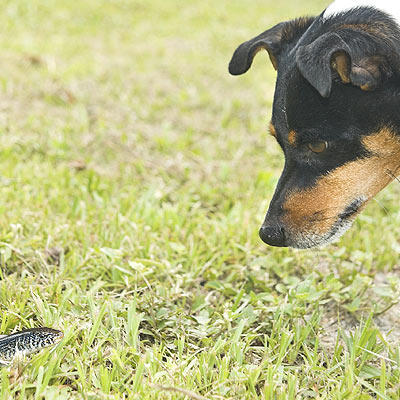
Otis was fascinated and had to be kept from biting it to bits.

The best way to dispose of brush is to incinerate it.

Sunday, March 13, 2005

Box Turtle


Box Turtles are dear creatures. Most turtles in general bring to my mind pleasant emotions. Turtles are comical in appearance and behavior. They are not the fastest animals on the block.

My bro Joe brought this one by for a little photo shoot. Turtles are always slowly struggling to escape when they find themselves captured. A turtle’s ability to run for it’s life is just plain pitiful but that is where it’s oversized hard hat comes into play.

I think my affection for turtles comes from the knowledge that is highly unlikely that one will every stalk me and take me unaware. It is goes without saying if you are injured or killed by a turtle you only have yourself to blame!

Box Turtle


EASTERN BOX TURTLE
Terrapene carolina carolina

HABITS AND HABITATS
Box turtles can be found in a variety of habitats from fields to forests, although they seem to prefer moist situations when possible. During hot, dry weather, box turtles will often seek out springs and seepages where they dig deeply into the cool mud. They spend much of their time buried in the leaves and dirt of the forest floor, emerging to feed, especially after or during rainstorms. Box turtles eat many kinds of plant and animal material including berries, mushrooms, earthworms, slugs, snails, and insects. Like other reptiles, box turtles must hibernate during cold, winter weather. They burrow deep under the soil and leaves, sometime in October, and usually emerge in April or early May. When disturbed or frightened, most box turtles will pull in their head and legs and tightly close the shell, remaining hidden until the threat of danger is past. The shell is extremely tough and almost impossible to pry open when closed. Young box turtles do not develop the hinge for closing their shell until they are about 4 to 5 years old. Female box turtles seek out sunny areas where they lay their eggs in the warm soil by excavating a cavity with their hind feet. Although box turtles are active during daylight hours, the females often use the protective cover of darkness to lay their eggs. After laying from 3 to 6 eggs, the nest is covered with soil and the eggs left to hatch on their own. Box turtles usually lay their eggs in western North Carolina during June and July. Hatching takes between 2 and 3 months. Sometimes if the turtles hatch late in the season, they may overwinter in the nest and then emerge the following spring. Due to their small size and lack of the bright coloration found on the adults, young box turtles are seldom seen. Adult box turtles often live 30 to 40 years or more in the wild and some are believed to have reached 100 years or more.
HISTORY
Although they are still common in many areas, box turtles have declined over much of their range, probably due largely to habitat destruction by man. Many box turtles are killed as they cross our highways. Dogs sometimes catch box turtles and chew their shells, resulting in injury and eventual death to the turtle. Many are also hit by lawn mowers as the turtles hide in tall grass and weeds. Box turtles are popular as pets and overcollecting for the pet trade can also seriously reduce their numbers. In spite of these threats, box turtles can often survive close to man if suitable pockets of habitat exist. Because of it's popularity and well-known status, the Eastern Box Turtle was chosen as North Carolina's official state reptile in 1979.

Wednesday, November 24, 2004

Pygmy Rattle


There are so many rationales for putting off spending time. We all spend time one second after another involuntarily in the process of living. We all can budget time for any number of activities that are directly related to the standard of living we seek to attain and maintain. Lots of stuff equals less discretionary minutes in the do anything that pleases column. Not that much stuff equals surplus minutes in the lets go spend time together column.

Today I thought of many reasons why I might not go load a bunch of kids in the Wego and seek adventure in surrounding country side. I ignored those reasons in favor of refreshing friendships. Upper Tampa Bay Park was wild and wonderful. It was a very high tide and the salt flats were submerged beneath a six inch layer of brackish water. For the most part our little troop was agreeable to a slosh around the outer edge of the park and that is precisely what we did.

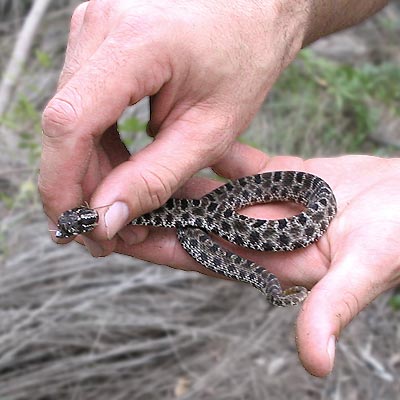
As we entered the scrub I proceeded to lecture on the presence of snakes. Rattle snakes are of the greatest concern because their bite can cause a signifycant amount of misery. I explained that the path ahead must be carefully observed as to avoid stepping on or near our venomous friends. Not long after my little speech I found myself gazing down at the perfect specimen of a Pygmy Rattlesnake just to the left of the trail. We were all amazed and delighted, with a little bit of scared to boot. I was able to capture it and give the troops a closer look. What a sublime experience this evening was and the kids were alive with wonder and gratitude.

In a world full of stuff it is the simple act of spending time together in pursuit of connection that holds the greatest rewards. We have ceased to be a society of responsible consumers and have become a culture consumed by stuff.

Take it from a fool running around with a Pygmy Rattlesnake budget time for people. Listen to the messages in your head telling you to spend time with the people in your life. You know how easily you can drown them out so just don’t let it happen.

Monday, November 1, 2004

Turn Off The Lizard


Thursday, October 21, 2004

Our Neighbor The Turtle


this fellow started out as a palm sized little reptile and is now the size of a lawn mower which incidently is one of his favorite past times.