Showing posts with label fossil. Show all posts

Friday, September 27, 2013

Years gone by


If you have little people of your own or if you are willing to take on the responsibility of borrowing a few make sure to get away from the noise and enjoy creation together. It will be no time before those little people are just more boring grown up drones like you and I! God will bless you if you use some of your life to live it with the little ones!


Sometimes all the excitement you need can be found just walking around your own neighborhood. If you have young ones with you they will find it even when you do not think it is there.

Friday, November 23, 2007

Mystery Objects

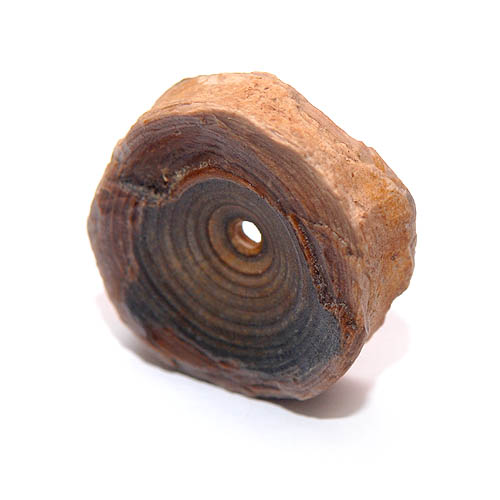
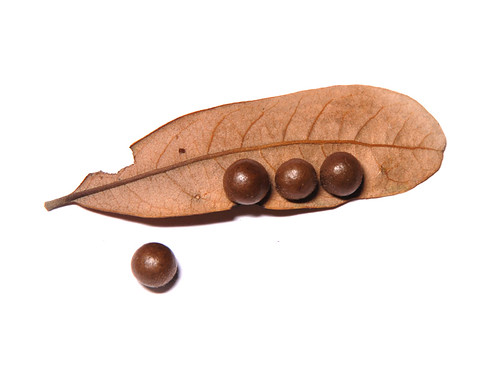
I found two organic objects this week that were a mystery to me. Thanks to the Internet I now have a good idea of what they are.

Object #1 
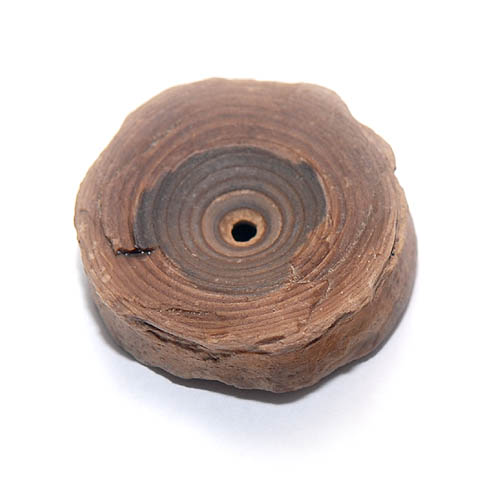
Mystery artifactMystery artifact

I now know this is a shark vertebra.


Object #2
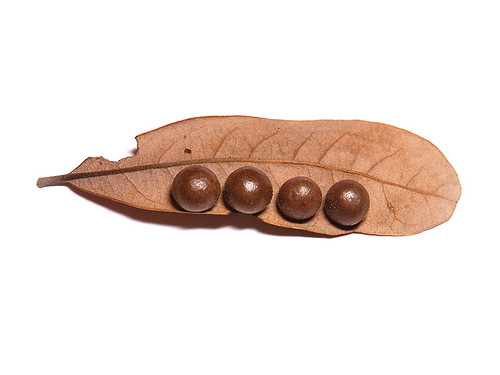
Gall Wasp 1

Gall-Wasp-2

Gall-Wasp-3

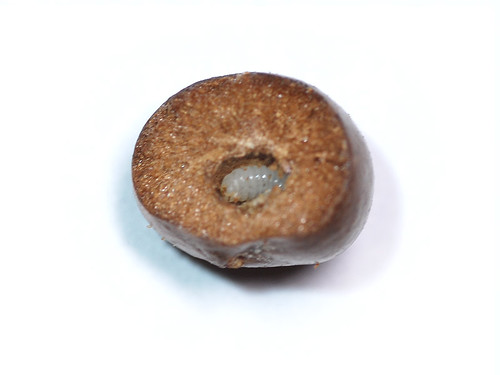
This is a Gall Wasp Larva.

Galls occur on a wide variety of plants. These

growths may be the result of fungi, bacteria,

nematodes or mites, but insects are the prime cause.

Gall-forming insects include aphids, phylloxerans,

psyllids, midges (gall gnats) and cynipid wasps (gall

wasps) (Plate 4). Of the more than 2,000

gall-producing insects in the United States, l,500 are

either gall gnats or gall wasps. About 80 percent of

the gall wasps produce galls specifically on oak trees.

In fact, 60 percent of all known insect galls occur in

the oak family and 30 percent occur in the daisy, rose

and willow families. These growths are called galls

because they contain large amounts of tannin, which

has a very bitter taste. Long ago, they were known as

"gallnuts" because they tasted as bitter as gall.

Plant galls are abnormal growths of plant cells

formed as a response to the insect's stimulus caused

by egg laying, or larvae or nymphs feeding. In the

spring, before the leaves are fully developed, eggs are

laid in the leaf or stem. Gall production is believed to

result when the cambium and other meristematic

tissues react to stimuli produced by the larvae and

cause the abnormal growths. The immature insects

often can be found in a cell or cells within the

developing gall. After a brief period of cell growth,

all development stops. The insect becomes enclosed

by the gall and feeds only on gall tissue during its

development. Small holes on the outside of the gall

indicate that the adult insects have emerged.

Galls are found most commonly on the stems and

leaves, but also occur on trunks, flowers, fruit,

leaf-shoot terminals, petioles and roots. Each

gall-forming insect produces a gall that is

characteristic of that particular insect. Some galls

may be two inches in diameter, while others are so

small they are rarely noticed. They occur in almost

every conceivable form and color, and their shapes

range from spheres to tubes. The surface may be

smooth, hairy or covered with spines. Gall

susceptibility varies greatly between species in the

same location. This is probably due to the general

condition of the particular plant and its natural

resistance.

Galls seem to cause a lot of concern to the

general public. Generally they do not seriously harm

the plant. Most ornamental plants and trees are not

apparently injured even by relatively large numbers

of galls.

Tuesday, October 23, 2007

Hullabaloo Brothers

Hullabaloo with brothers

Hullabaloo with brothers

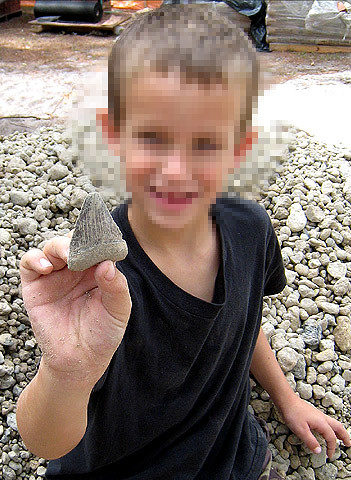
We stopped by the pile of Sharks teeth on the way to the bay and I found a monster of a tooth!

Hullabaloo with brothers

I let William hold the tooth to show you the size!

Hullabaloo with brothers

Matthew was pretty much fearless about every activity. His daddy must be a wise man cause these two are growing up survivors!

Hullabaloo with brothers

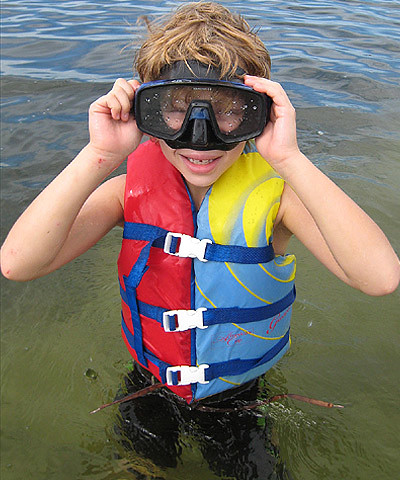
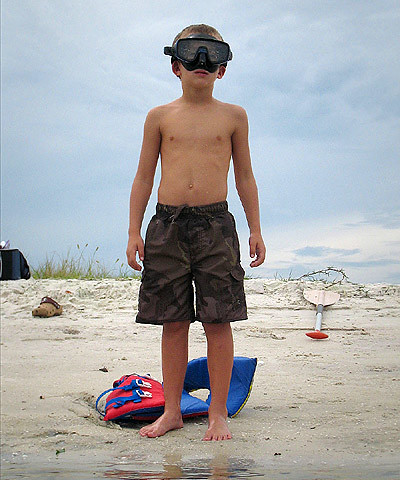
William looking downright noble in goggles as he debates whether to make an entrance into the lagoon.

Hullabaloo with brothers

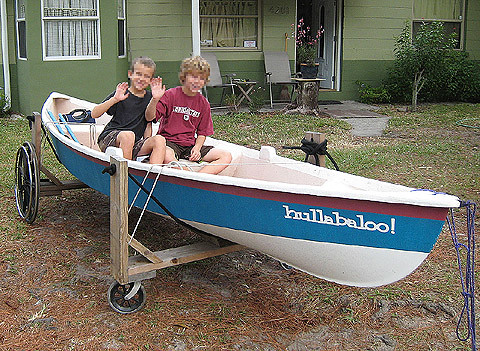
Even with a brisk wind these brothers went out on the lagoon and returned all with no assistance! Thanks for asking to go on this adventure fellahs I enjoyed it!

Sunday, October 14, 2007

Fossil Walkabout

shark-teeth-small

shark-teeth-small-close

shark-teeth-large

shark-teeth-large-close

shark-teeth-vari

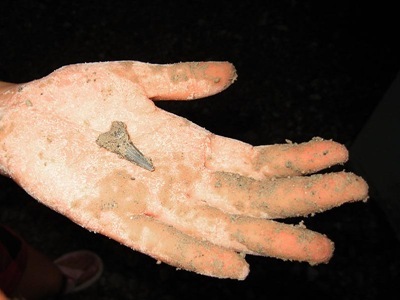
Here are images documenting the actual "Fossil Walkabout" if anybody that I can stand to be around would like to come shark teeth hunting tell me!

Monday, October 8, 2007

Jurassic Pile


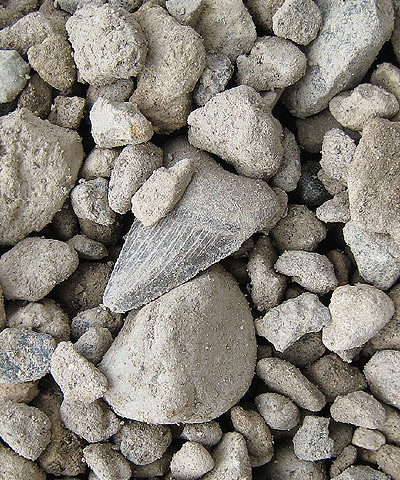
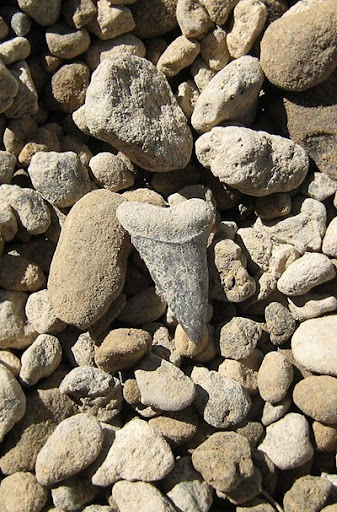
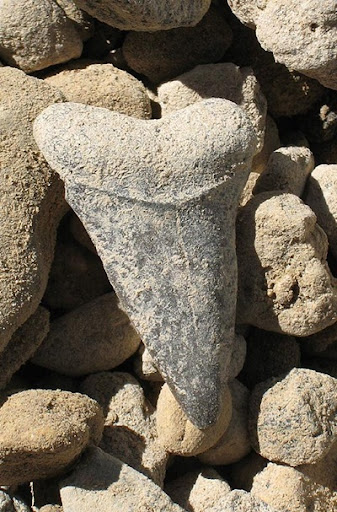
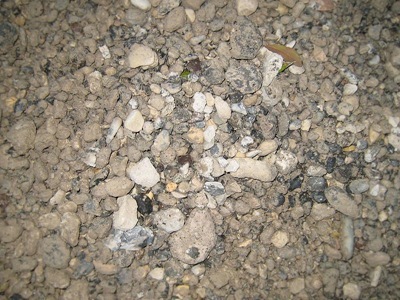
Visiting friends recently I was approached by the offspring and informed that they had found shark teeth. Strange, I think to myself, there is not a beach with shark teeth for many miles. That is when the explanations take us out the front door and down the street. They inform me that the city of Tampa is bringing in piles of substrate for a drainage project in front of their home and this material is loaded with all kinds of teeth and fossils. I walk up to the pile and in two minutes I am holding a large portion of a sharks tooth that had to have come from a very large shark indeed.

Jurrassic-pile
Jurrassic-pile-2
Jurrassic-pile-3
Jurrassic-pile-5
Jurrassic-pile-4